Landing Page vs Website: Which One Do You Need in 2026?
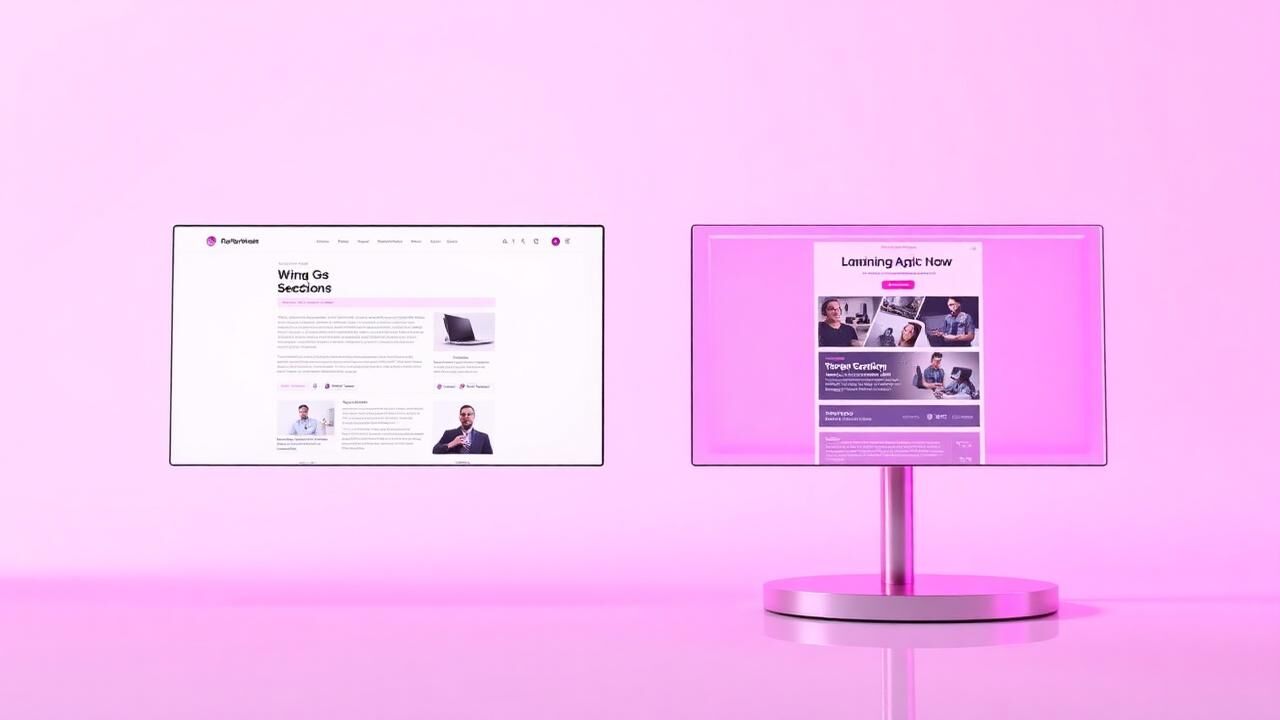
Different goal, different structure, different success metric. How to decide which to build first.
A landing page and a website are different products built for different jobs. Confusing them is the #1 reason paid traffic underperforms — and the #1 reason a brand-new website doesn't generate leads.
The one-line difference
- A website is a multi-page brand hub where curious people learn who you are.
- A landing page is a single-page conversion machine where paid traffic takes one specific action.
Different goal, different structure, different success metric.
Side by side
| | Landing page | Website | |---|---|---| | Pages | 1 | 5–50+ | | Header navigation | None (or minimal) | Full nav | | Goal | One action (form, call, purchase) | Educate + multiple actions | | Traffic source | Paid (Meta, Google Ads, LinkedIn) | Organic search, direct, referral | | Success metric | Conversion rate | Combination (traffic, time on site, conversions) | | Build time | 1–2 weeks | 3–8 weeks | | Typical cost | $3K–$10K | $8K–$35K |
When to build a landing page first
- You're spending on Meta or Google Ads and your CPA is too high
- You're testing a new offer or audience before committing to a full website
- You need to launch a campaign in under 14 days
- You want to A/B test offer, headline, or CTA without touching your main site
When to build a website first
- You don't have any digital presence yet (or have a 2015-era site that hurts trust)
- You're getting organic referrals you can't currently convert
- You need a "place to send people" for credibility — investors, partners, hiring
- You publish content (blog, podcast, case studies)
The order most local businesses should follow
- Marketing site first (8–12 weeks) — credibility, organic SEO foundation, lead capture
- Landing pages second (1–2 weeks each as needed) — one per paid campaign or offer
If you skip the website and only build landing pages, you'll struggle with brand credibility — people who click your ads will sometimes Google your name first, find nothing, and bounce.
If you skip landing pages and only have a website, your paid traffic will underperform — homepages convert 2–5× worse than dedicated landing pages because they have to serve too many audiences.
What separates a landing page from a "long homepage"
A real landing page deletes things on purpose:
- No header nav (so the only path is the CTA)
- Single offer (no "learn more about our 7 services")
- Single CTA repeated (hero, mid-page, sticky mobile, final block)
- Form above the fold or sticky on mobile
- Sub-2-second load (paid traffic dies on slow pages)
- Tracking wired correctly (Meta CAPI, Google Enhanced Conversions, GA4 events)
A homepage with a "Get a Quote" button is not a landing page. It's a homepage.
A working rule of thumb
- Paid traffic → landing page
- Organic traffic + brand traffic → website
- Specific campaign (seasonal, new offer, partnership) → landing page
- "Send people to learn about us" → website
What we usually recommend
For most Carlsbad service businesses with an existing decent website: start with a single landing page targeting your highest-intent paid traffic channel. Ship in 1–2 weeks, run for 30 days, measure CPA, then decide whether to expand into a full site refresh.
For brands with no website at all (or a broken one): marketing site first with 1–2 landing-page templates built into the system, so you can spin up new paid campaigns quickly without re-engaging an agency.
Full process and pricing on the Web Design Carlsbad pillar page.