AI Creative Volume: Why High-Volume AI Creative Wins on Paid Social
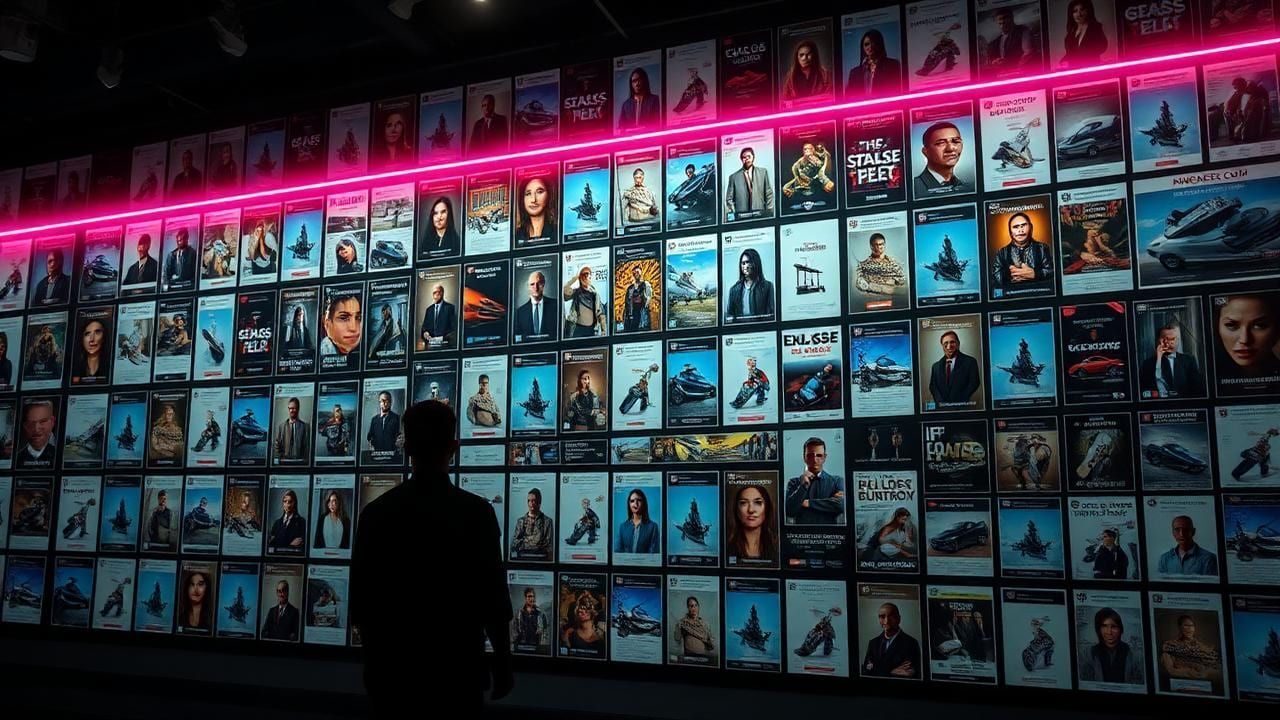
Why high-volume AI creative beats hero-asset thinking on Meta and TikTok.
The brands growing fastest in 2026 are not the ones with the best single ad. They're the ones shipping the most ultra-realistic variants per week. Across thousands of analyzed campaigns, creative volume — enabled by AI — has emerged as the dominant predictor of CPA reduction and revenue growth.
What the aggregated data shows
A 10,000-campaign analysis of AI vs human-only creative pipelines found that teams running AI-augmented workflows shipped 3–7× more creative variants per month and saw consistently lower CPA at scale. (source)
A separate 200-ad controlled A/B test between AI-generated and human-designed ads (€48,000 spend across 40 campaigns) found AI creative competitive on CTR and CPA while producing assets at a fraction of the cost and time. (source)
Benchmark research from Social Operator's 2026 dataset reaches the same conclusion: the deciding variable isn't AI vs human — it's how many quality variants a brand can ship and test per week. (source)
Why volume wins
Meta and TikTok's auction systems reward creative diversity. Three reinforcing dynamics:
- Algorithmic learning phase resets every time you ship genuinely new creative — meaning more variants = more bites at the targeting apple.
- Creative fatigue is the silent CPA killer. Most accounts see CTR decay 20–40% within 14 days on the same hook. Volume keeps the account in its prime window.
- Winners are found, not predicted. Across our own client data, the top-performing ad of a quarter is almost never the one the creative team predicted. You need the at-bats.
Ultra-realistic AI is the only production model that makes that volume affordable.
The growth math
A brand testing 4 ads per month finds maybe 1 winner per quarter. A brand testing 40 ultra-realistic AI variants per month finds 3–5 winners. Each winner typically delivers 25–60% lower CPA than the account average — and those CPA gains compound into more spend at the same ROAS target, which compounds into more revenue.
This is the loop:
``text More variants -> More winners -> Lower blended CPA ^ | | v Reinvested savings <- More efficient spend ``
The brands stuck on 4 ads/month aren't losing because their creative is worse. They're losing because they're running one experiment per quarter while their competitors run 40.
What "AI creative volume" actually looks like
The brands executing this well share a workflow:
- A locked brand system — palette, models, environments, product photography style — that every AI output respects
- Weekly creative sprints — 8–12 new ultra-realistic variants shipped each Monday
- Test → scale → retire cadence — every ad has a 7-day read window and a clear graduation/kill rule
- Performance + creative as one team — not a hand-off; the prompt library evolves from CTR data
How to start without breaking your brand
You don't need to rebuild the production stack to get the volume effect. A pragmatic 90-day rollout:
- Days 1–14: Audit current creative volume, fatigue, and CPA by ad. Identify the 3 hooks worth scaling.
- Days 15–45: Build an ultra-realistic AI prompt library for those 3 hooks. Ship 10 variants per hook.
- Days 46–90: Move to weekly sprints. Track blended CPA week over week.
Almost every brand we've taken through this sequence sees a measurable blended CPA reduction by day 30 and a meaningful revenue compound effect by day 90.
The takeaway
Creative volume — at brand-grade realism — is the lever. Brands that build the workflow win the auction. Brands that don't get outspent at a worse CPA by competitors who can.
If you want to see what an ultra-realistic AI creative engine would look like for your brand, book a strategy call.